
2026-09-14 ·
Seasonal Attic Inspections For Lynnwood Residents
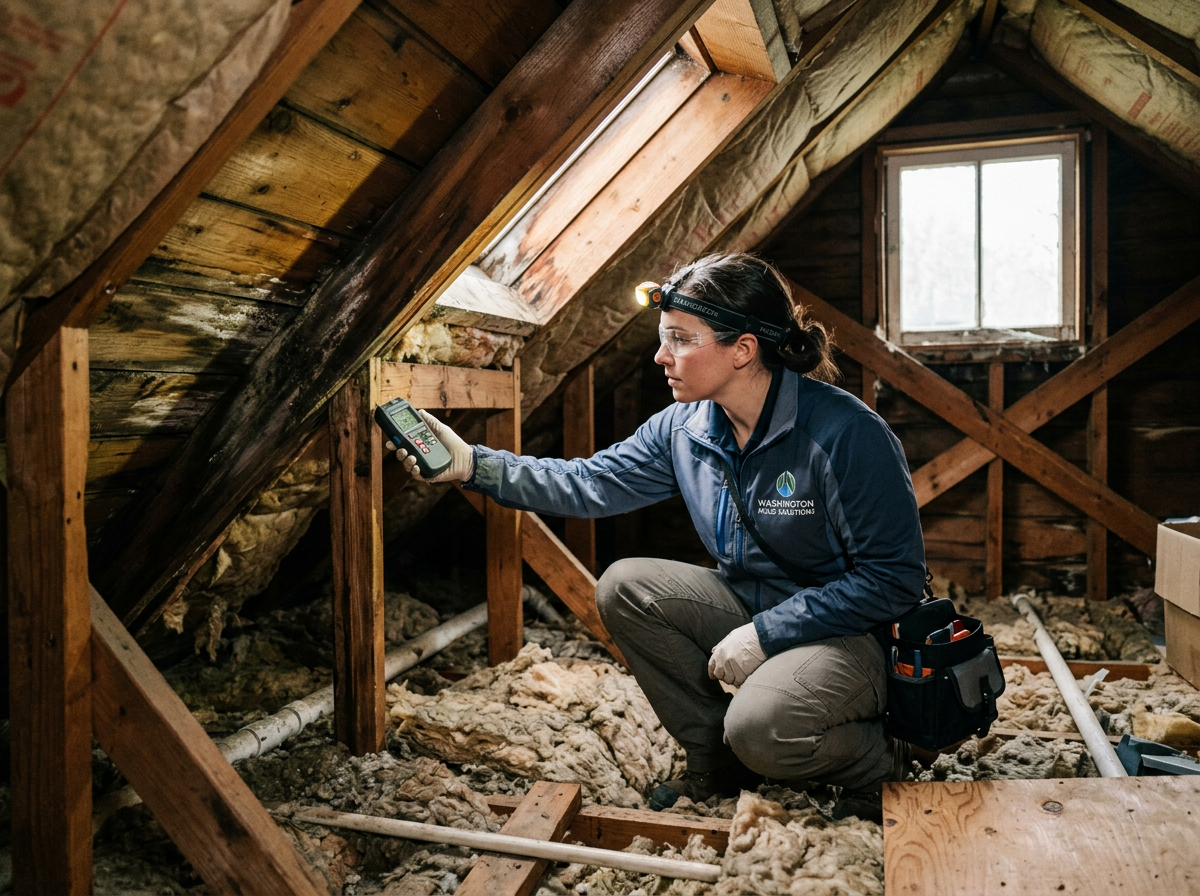
Lynnwood residents should inspect their attics twice each year, once after winter ends and again before the rainy season returns. These checks focus on ventilation paths, insulation placement, and any signs of moisture that develop from local weather patterns west of the Cascades. Performing the work at these times lets homeowners address issues while temperatures remain moderate and before nine months of maritime dampness begins to stress the structure again.
Timing Inspections Around Washington Weather Patterns
Lynnwood sits in a region where cool, moist air lingers for most of the year. Spring inspections after the last heavy rains reveal any condensation that formed during colder months when indoor heat rises into the attic. Fall checks occur before temperatures drop and heating systems start pushing warm air upward. Both periods avoid extreme conditions that make ladder work unsafe. Residents who follow this schedule notice blocked soffits or fans venting into the attic space earlier than those who wait for visible ceiling stains. Regular timing also aligns with natural drying periods when any small leaks can be dried out before insulation absorbs more water.
Key Areas to Examine in a Lynnwood Attic
Start at the eaves and work inward. Look for insulation that has been pushed over the soffit vents, which stops air from entering and exiting properly. Check bathroom and kitchen exhaust fans to confirm they terminate outside rather than dumping moist air into the attic. Examine the north-facing roof slope for dark staining, a frequent result of slower drying on that side. Measure the gap at the ridge vent to ensure it meets standard airflow ratios. Walk the perimeter and note any bare soil visible through floor openings, since stack effect can pull damp air from crawl spaces upward. These targeted observations take less than an hour once the routine is established.
Common Ventilation Failures Found in Local Homes
Many Lynnwood houses built before current codes have soffits covered by insulation or paint. Others have dryer vents routed into the attic instead of through the roof or wall. When these paths are blocked, relative humidity inside the attic can remain above 60 percent for weeks during winter. The result is gradual mold growth on roof sheathing and rafters. Homeowners who correct the venting source see fewer problems than those who only clean visible growth. Linking the inspection to mold inspection and testing provides a clear record of conditions before any remediation begins.
Connecting Findings to Source Correction
Spotting a fan venting into the attic during an inspection points directly to the need for rerouting that duct. Insulation blocking eaves requires pulling it back several inches and installing baffles. In homes with cedar shake roofs, the same checks also flag areas where shake movement has allowed extra moisture entry; see the related discussion in Attic Mold And Cedar Shake Roofs In Older Lynnwood Neighborhoods. Addressing these mechanical issues prevents the cycle described in Why Lynnwood Attics Develop Mold During Winter. Once sources are fixed, follow-up work can include moisture control and prevention steps such as adding vapor barriers with 6-inch overlaps in crawl spaces.
When Professional Help Becomes Necessary
If black staining covers more than a few square feet or if active water is still entering, homeowners should contact Washington Mold Solutions at 19921 68th Ave W Ste 103, Lynnwood, WA 98036 for attic mold removal. Professionals can confirm that all affected materials have been addressed and that airflow has been restored. After repairs, residents often schedule a follow-up inspection the next season to verify that mold has not returned, which aligns with guidance in Preventing Mold Regrowth After Attic Repairs In Lynnwood. This measured approach keeps the attic dry without unnecessary work.